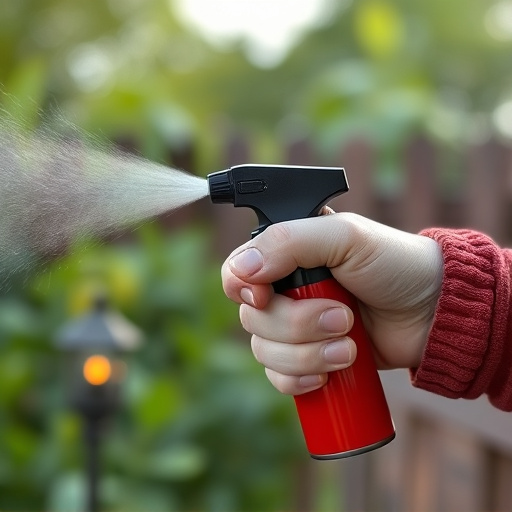
Maintain pepper spray within a best storage temperature range of 10°C to 22°C (50°F to 72°F) to preserve its effectiveness and potency. Avoid extreme heat or cold, high humidity, and direct sunlight to prevent degradation, mold growth, and loss of performance for law enforcement use.
“Discover the power of law enforcement’s primary non-lethal weapon—pepper spray. This comprehensive guide explores the science behind its composition, focusing on capsaicin and its effects. We delve into critical factors that determine optimal storage conditions to ensure maximum effectiveness. Learn best practices for long-term preservation, including ideal humidity levels and temperature control, crucial for maintaining pepper spray’s potency. Maximize your department’s readiness by understanding these essential storage guidelines.”
- Understanding Pepper Spray Composition and Sensitivity
- Factors Influencing Optimal Storage Conditions
- Best Practices for Long-Term Pepper Spray Preservation
Understanding Pepper Spray Composition and Sensitivity
Pepper spray, a non-lethal weapon used by law enforcement and security personnel, is designed to incapacitate individuals through the irritation of eyes, nose, and respiratory passages. Comprehending its composition is key to understanding its effectiveness and safety. Typically, pepper spray contains capsaicin, the active ingredient derived from chili peppers, mixed with a carrier solution often composed of water, alcohol, and other additives for enhanced stability and dispersion.
The best storage temperature for pepper spray varies depending on the specific formulation but generally ranges between 15°C to 27°C (59°F to 80°F). Extreme temperatures can degrade the spray’s potency and chemical stability over time, affecting its performance when needed most. Maintaining suitable storage conditions, including proper temperature and humidity control, ensures that pepper spray remains potent and ready for use when required by law enforcement officers in their duties.
Factors Influencing Optimal Storage Conditions
The optimal storage conditions for law enforcement-grade pepper spray are crucial to maintaining its effectiveness and ensuring it remains a reliable weapon. Several factors, primarily related to temperature and humidity, significantly influence the longevity and performance of this critical equipment. The best storage temperature for pepper spray is generally recommended to be between 50°F and 72°F (10°C to 22°C). Exposing pepper spray to extreme heat or cold can cause it to degrade, lose its potency, and even become unusable.
Humidity levels should also be carefully controlled. High humidity can lead to the growth of mold or bacteria, compromising the quality of the spray. On the other hand, extremely low humidity may cause the spray to dry out and become less effective. Maintaining a consistent environment with moderate temperature and humidity ensures that pepper spray remains potent and ready for use when needed by law enforcement officers.
Best Practices for Long-Term Pepper Spray Preservation
To ensure long-term pepper spray preservation, proper storage is paramount. The best practice involves maintaining a consistent best storage temperature between 50°F and 72°F (10°C to 22°C). This range minimizes chemical degradation and keeps the spray’s potency optimal. Higher temperatures can accelerate spoilage, while lower ones may solidify the liquid, affecting applicator functionality.
Additionally, keep pepper spray away from direct sunlight and humidity. Opt for a cool, dry place, such as an indoor storage cabinet or safe. Regularly inspect the spray for any signs of damage, leakage, or changes in color or consistency, which could indicate spoilage. Discard any pepper spray that appears altered, as its effectiveness may no longer be guaranteed.
Pepper spray, a powerful law enforcement tool, requires careful handling and storage to maintain its effectiveness. By understanding the optimal storage conditions, including the ideal best storage temperature for pepper spray, and implementing best practices for preservation, officers can ensure this weapon remains potent when needed most. These simple yet crucial steps will help maximize the lifespan of pepper spray, contributing to safer communities.