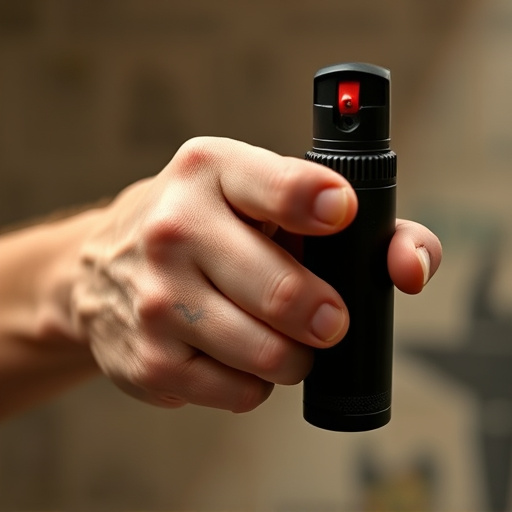
Maintaining the best storage temperature for pepper spray (50-70°F or 10-21°C) is crucial for preserving its potency and effectiveness. Extreme temperatures can cause solidification or loss of potency, impacting performance during crowd control. Proper storage in cool, dry conditions ensures reliability and adherence to legal protocols, as regulations vary across jurisdictions. This optimal range prevents premature degradation of the active ingredient, capsaicin, ensuring pepper spray remains a viable crowd control tool when needed.
“In recent years, pepper spray has emerged as a prominent tool in crowd control tactics employed by law enforcement agencies worldwide. This article delves into the multifaceted aspect of this controversial yet widely used agent. We explore ‘Understanding Pepper Spray: Properties and Purpose’, its ‘Legal Considerations’ when deployed by police, and effective strategies for optimal use. Furthermore, we delve into critical storage and handling practices, emphasizing the ‘Best Storage Temperature for Pepper Spray’ to ensure its efficacy and maximize performance for public safety.”
- Understanding Pepper Spray: Properties and Purpose
- Police Use of Pepper Spray: Legal Considerations
- Effective Crowd Control Strategies with Pepper Spray
- Storage and Handling: Ensuring Optimal Performance
- Best Storage Temperature for Pepper Spray: Maximizing Efficacy
Understanding Pepper Spray: Properties and Purpose
Pepper spray, a powerful crowd control tool, is a substance designed to incapacitate individuals temporarily through irritancy. Its primary active ingredient, capsaicin, is derived from chili peppers and triggers a burning sensation in the eyes, nose, and throat when inhaled. This intense irritation leads to temporary blindness, coughing, and difficulty breathing, rendering the targeted individual momentarily defenseless.
Understanding the best storage temperature for pepper spray is crucial for its effectiveness. Pepper spray should be kept within a range of 50-70°F (10-21°C) to maintain optimal performance. Extreme temperatures can cause the spray to solidify or lose its potency, impacting its ability to disperse properly during use. Proper storage ensures that pepper spray remains ready and reliable when needed for crowd control situations.
Police Use of Pepper Spray: Legal Considerations
The use of pepper spray by police forces is a contentious issue, with its deployment often sparking debates about public safety and civil liberties. While it can be an effective crowd control measure, there are stringent legal considerations surrounding its use. Police departments must adhere to strict protocols and guidelines when employing pepper spray, ensuring minimal harm to bystanders and respect for human rights. The legality of pepper spray usage varies across jurisdictions, with each region having its own set of regulations and standards.
One critical aspect is understanding the best storage temperature for pepper spray to maintain its potency and effectiveness. Pepper spray, like many chemicals, has a shelf life and optimal storage conditions. Extreme temperatures can degrade its quality, rendering it less potent when needed. Therefore, law enforcement agencies must store pepper spray in controlled environments, adhering to manufacturer recommendations for ideal temperature ranges, typically between 50°F and 70°F (10°C to 21°C), to guarantee its integrity and maximize its utility in crowd control scenarios.
Effective Crowd Control Strategies with Pepper Spray
In crowd control situations, pepper spray has established itself as a powerful tool for law enforcement agencies. Its effectiveness lies in its ability to quickly incapacitate individuals, providing officers with precious time and space to manage high-risk scenarios. When used appropriately, pepper spray can disrupt crowds, allowing for safer control and minimal injury to both civilians and officers.
The optimal deployment of pepper spray requires consideration of the best storage temperature. Storing pepper spray in a cool, dry place, typically between 50-70°F (10-21°C), ensures its potency remains intact. This temperature range maintains the integrity of the active ingredient, capsaicin, which is responsible for the spray’s effectiveness. Proper storage conditions prevent premature degradation, ensuring that officers have access to a reliable crowd control measure when needed.
Storage and Handling: Ensuring Optimal Performance
The proper storage and handling of pepper spray are crucial for maintaining its optimal performance as a crowd control measure. In terms of best storage temperature for pepper spray, it is recommended to keep them at controlled temperatures between 50°F and 70°F (10°C to 21°C). Extreme heat or cold can degrade the chemical composition of the spray, reducing its effectiveness. Consequently, storing pepper spray in a cool, dry place, away from direct sunlight, ensures its potency remains high.
Additionally, proper handling involves preventing physical damage and ensuring the container is not exposed to moisture. Bending, dropping, or rough treatment can compromise the integrity of the canister and potentially affect the spray’s range and intensity. Moisture ingress can also cause corrosion and impair the spray’s functionality. Thus, using protective cases and keeping pepper spray in secure locations are essential practices for maintaining its readiness when needed for crowd control.
Best Storage Temperature for Pepper Spray: Maximizing Efficacy
The best storage temperature for pepper spray is a crucial factor in maximizing its efficacy and ensuring it remains potent for when it’s needed. Pepper spray, like many other chemical compounds, has a specific temperature range where it maintains optimal performance. Ideally, it should be stored at temperatures between 50-70°F (10-21°C). Exposing pepper spray to extreme heat or cold can cause its active ingredients to degrade, reducing its effectiveness.
Proper storage involves keeping the container sealed and protected from direct sunlight or any source of excessive heat. It’s recommended to store pepper spray in a cool, dry place, such as a locked cabinet or an area with controlled climate conditions. By maintaining the recommended temperature range, users can count on their pepper spray to work when it matters most, providing a crucial layer of personal safety and crowd control.
In conclusion, pepper spray proves an effective tool in crowd control when used appropriately and in compliance with legal guidelines. For optimal performance, proper storage and handling are key, with the best storage temperature for pepper spray being a crucial factor in maintaining its efficacy. By understanding the properties and legal considerations surrounding this agent, as well as implementing effective strategies for its deployment and storage, law enforcement can ensure public safety while minimising potential risks.