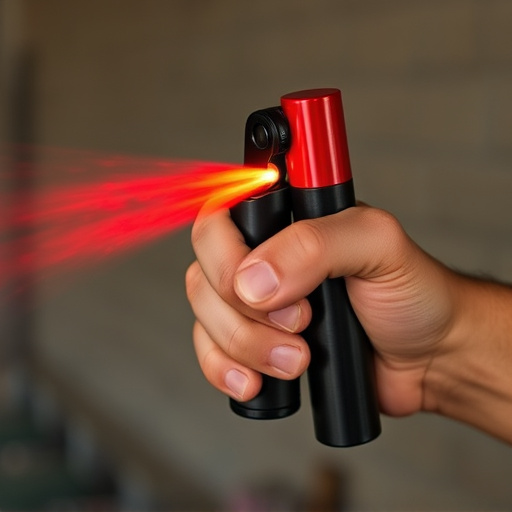
To maintain pepper spray effectiveness, store it within the recommended temperature range of 50°F to 70°F (10°C to 21°C). Extreme heat or cold degrades its active ingredient, capsaicin. This controlled temperature ensures maximum potency and readiness for law enforcement during crowd control operations. Proper storage conditions, including protection from direct sunlight and high humidity, are essential to prevent canister corrosion and chemical breakdown. Optimizing storage temperatures between 50-72°F (10-22°C) maximizes the lifespan of pepper spray.
In the face of civil unrest, law enforcement agencies rely on inflammatory spray as a crucial tool for riot control. This article delves into the science behind pepper spray, exploring its effectiveness and stability. We discuss key factors affecting its performance, emphasizing the critical role of storage conditions, particularly the best storage temperature, to ensure longevity. Additionally, best practices are outlined for handling and deploying pepper spray during high-pressure riot situations.
- Understanding Pepper Spray for Riot Control
- Factors Affecting Storage Stability and Effectiveness
- Optimizing Storage Conditions for Longevity
- Best Practices for Storing and Handling Pepper Spray During Riot Situations
Understanding Pepper Spray for Riot Control
Pepper spray, a versatile riot control agent, has become an indispensable tool for law enforcement worldwide. Its primary active ingredient, capsaicin, is derived from chili peppers and temporarily incapacitates individuals by triggering a burning sensation in the eyes and respiratory system. When deployed during civil disturbances or crowd control, pepper spray offers a non-lethal means of subduing aggressive behavior.
Proper storage is crucial for maintaining the effectiveness of pepper spray. In terms of best storage temperature, most manufacturers recommend keeping it at controlled temperatures between 50°F to 70°F (10°C to 21°C). Exposing pepper spray to extreme heat or cold can degrade its active components, reducing its potency over time. Therefore, law enforcement agencies and facilities employing pepper spray must ensure optimal storage conditions to maximize its readiness and effectiveness during critical operations.
Factors Affecting Storage Stability and Effectiveness
The storage stability and effectiveness of inflammatory spray, particularly pepper spray, are significantly influenced by several key factors. One of the most critical variables is temperature. Maintaining the best storage temperature for pepper spray, typically between 15°C and 25°C (59°F to 77°F), is essential to ensure optimal performance. Exposing these sprays to extreme heat or cold can lead to degradation of the active ingredients, reducing their potency and potentially compromising their safety and efficacy.
Additionally, proper storage involves keeping pepper spray away from direct sunlight and moisture. High humidity levels can cause the canister to corrode and affect the spray’s distribution mechanism. Meanwhile, UV radiation from sunlight can accelerate the breakdown of the chemical compounds inside, diminishing their irritant properties over time. Adequate ventilation and protection from these environmental factors are indispensable for preserving the integrity of inflammatory spray and ensuring its reliability in riot control scenarios.
Optimizing Storage Conditions for Longevity
To maximize the lifespan and effectiveness of an inflammatory spray, optimizing storage conditions is paramount. The best storage temperature for pepper spray typically ranges between 50°F to 72°F (10°C to 22°C). Storing it below 50°F can cause the solution to thicken or solidify, while temperatures above 72°F might accelerate chemical degradation. Extreme fluctuations in temperature and humidity should be avoided; consistent conditions are key to preserving the spray’s potency.
Additionally, keeping pepper spray away from direct sunlight and heat sources is crucial. Light exposure can break down active ingredients, reducing the spray’s efficacy over time. Ideal storage locations include cool, dark places like a basement or interior closet. Proper storage not only extends the product’s usable life but also ensures its safety and performance when needed during riot control situations.
Best Practices for Storing and Handling Pepper Spray During Riot Situations
When it comes to storing and handling pepper spray during riot control situations, proper practices are paramount to ensure effectiveness and safety. The best storage temperature for pepper spray is typically between 50°F and 70°F (10°C to 21°C). Storing the spray at these temperatures helps maintain its potency and viability, ensuring it’s ready when needed. It’s crucial to keep the containers in a cool, dry place, away from direct sunlight or extreme heat, which can degrade the active ingredients.
Handling procedures should be strictly adhered to as well. Pepper spray should only be used by trained personnel who understand the risks and proper application techniques. Before deployment, check the expiration dates and ensure all units are fully charged. During riots, it’s essential to use protective gear, including eye protection, to minimize exposure to potential cross-contamination. After use, properly dispose of spent containers according to local regulations to prevent unauthorized access and residual effects.
In conclusion, optimal storage conditions are vital for maintaining the effectiveness of pepper spray used in riot control. By understanding the factors affecting stability and implementing best practices, including ideal best storage temperature for pepper spray, agencies can ensure their equipment remains potent when it’s needed most, thereby enhancing officer safety and public order maintenance during chaotic situations.