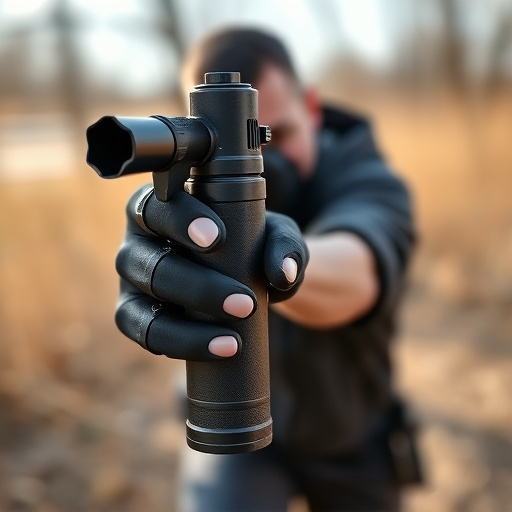
The optimal storage temperature for pepper spray, a critical law enforcement tool, is 50-70°F (10-21°C) to maintain its effectiveness. Extreme temperatures degrade the active ingredient capsaicin, reducing potency. High humidity should be avoided to prevent corrosion. Storing pepper spray in a cool, dry, locked cabinet ensures stability and reliability for crowd control. Regular training, damage inspections, and inventory checks are essential practices for proper storage and use.
In the realm of law enforcement, effective crowd control is paramount. One tool frequently employed is pepper spray, a potent yet controversial substance. This article delves into the intricacies of pepper spray storage, addressing critical aspects such as understanding its composition and sensitivity, identifying the optimal best storage temperature for pepper spray, and dispelling common misconceptions. By examining best practices and regulatory compliance, we aim to provide essential insights for safe and responsible use in law enforcement.
- Understanding Pepper Spray Composition and Sensitivity
- Factors Affecting Optimal Storage Temperature
- Best Practices for Storing Pepper Spray in Law Enforcement
- Common Misconceptions About Pepper Spray Storage
- Regulatory Compliance and Safety Measures
Understanding Pepper Spray Composition and Sensitivity
Pepper spray, a common crowd control tool used by law enforcement, is designed to temporarily incapacitate individuals through irritation and discomfort. Its active ingredient, capsaicin, is derived from chili peppers and is known for its pungent and burning effects. Understanding the composition of pepper spray is crucial in recognizing its potential impact on users' health and safety. The concentration of capsaicin varies across different types, with higher concentrations causing more intense reactions.
Proper storage of pepper spray is essential to maintain its effectiveness and ensure user safety. The best storage temperature for pepper spray is typically between 50°F and 70°F (10°C to 21°C). Exposing pepper spray to extreme temperatures, whether hot or cold, can degrade the capsaicin over time, reducing its potency. Therefore, storing it in a controlled environment helps preserve its quality and ensures that officers have access to a reliable crowd control measure when needed.
Factors Affecting Optimal Storage Temperature
The optimal storage temperature for pepper spray is a crucial factor in maintaining its effectiveness and potency. Generally, it's recommended to store pepper spray between 50°F and 70°F (10°C to 21°C). Extreme temperatures can degrade the active ingredients, reducing the spray's performance. For instance, storing pepper spray in hot environments, like a car left in direct sunlight, or cold climates, such as an unheated garage, can lead to loss of potency and even damage to the canister.
Humidity is another key consideration. High humidity levels can cause moisture buildup inside the spray canister, potentially leading to corrosion and reduced effectiveness. Therefore, it's best to store pepper spray in areas with controlled temperatures and low relative humidity to ensure its readiness when needed by law enforcement personnel or other authorized users.
Best Practices for Storing Pepper Spray in Law Enforcement
When it comes to pepper spray storage in law enforcement, understanding the best practices is paramount for effective crowd control and officer safety. The optimal Best Storage Temperature for Pepper Spray is a key consideration; generally, it should be stored at temperatures between 50°F and 70°F (10°C to 21°C). This range ensures stability and efficacy of the spray, maintaining its potency over time. Higher or lower temperatures can degrade the active ingredients, reducing its effectiveness.
Proper storage also involves keeping pepper spray away from direct sunlight and heat sources. It should be placed in a cool, dry place, ideally in a locked cabinet or container. This not only secures the spray but also safeguards it from accidental discharge. Additionally, training officers on proper handling, including how to inspect for signs of damage or degradation, is crucial. Regular inventory checks ensure that supplies are adequate and within their usable life frame.
Common Misconceptions About Pepper Spray Storage
Many people hold misconceptions about how and where they should store pepper spray, which can reduce its effectiveness. One common belief is that storing it in a cool, dry place is sufficient. While keeping pepper spray away from extreme temperatures is crucial, the best storage temperature for pepper spray is actually around 50-70°F (10-21°C). Extreme cold or heat can degrade the active ingredients. Additionally, moisture should be kept at bay; high humidity levels can cause corrosion and reduce the spray's potency.
Contrary to some thoughts, pepper spray should not be stored in direct sunlight as it can accelerate degradation. Instead, opt for a secure, locked cabinet or container, away from direct light and heat sources. It's also important to keep it out of reach of children and unauthorized individuals. Regularly checking the expiration date and ensuring proper storage practices will help maintain the spray's integrity, ensuring its effectiveness when needed.
Regulatory Compliance and Safety Measures
Police departments across the globe rely on pepper spray as a crucial crowd control measure, but proper regulatory compliance and safety protocols are essential to ensure its effectiveness and minimize risks. One critical aspect is understanding and adhering to recommended storage guidelines, particularly the best storage temperature for pepper spray.
The ideal storage temperature for pepper spray ranges between 50°F to 70°F (10°C to 21°C). Extreme temperatures can degrade the chemical composition of pepper spray over time, reducing its potency and viability as a crowd control agent. Compliance with these storage conditions ensures that pepper spray remains potent and ready for use when needed, maximizing its effectiveness during operations while also guaranteeing the safety of officers and the public.
The optimal storage temperature for pepper spray is crucial to ensure its effectiveness and safety. By understanding the factors influencing this, such as composition sensitivity and environmental conditions, law enforcement agencies can implement best practices to maintain the integrity of their stockpile. Avoiding common misconceptions regarding storage is key, as it directly impacts the readiness and reliability of crowd control measures. Regulatory compliance and adherence to safety protocols are essential to mitigate risks and ensure the responsible handling of pepper spray.
In 2026, pepper spray storage best practices have further evolved with advancements in technology and increased emphasis on officer safety. Smart storage units equipped with temperature sensors and automated humidity control mechanisms are now common, ensuring precise environmental conditions. Additionally, improved training programs focus on not only the physical handling of pepper spray but also de-escalation techniques, emphasizing responsible use rather than solely on storage. Regular maintenance checks include digital inventory management systems that track expiration dates and usage, enhancing accountability and reducing waste. Mastering Pepper Spray Storage for Optimal Effectiveness